
Selecting the right manufacturing partner determines your brand’s future success. The global audio market grows rapidly every year. Business owners must decide between two primary paths: OEM or ODM. This choice affects your budget, design control, and speed to market. Both methods offer unique advantages for wireless headset brands. Understanding these differences helps you avoid costly mistakes. This guide explores which model fits your specific business goals perfectly.
Understanding the Core: What are OEM and ODM?
Before diving deep, we must define these industry terms clearly. Many buyers confuse them, but they serve different needs.
What are OEM Wireless Headsets?
OEM stands for Original Equipment Manufacturer. In this model, you provide the full design and specifications. The factory simply acts as your production arm. You own the intellectual property (IP) and unique product blueprints.
What are ODM Wireless Headsets?
ODM stands for Original Design Manufacturer. Here, the factory designs and builds the product themselves. You select a pre-made model from their catalog. Then, you add your logo and custom packaging to it.

The Strategic Benefits of OEM Wireless Headsets
Choosing OEM gives you total creative freedom. This path suits established brands with specific technical requirements.
- Complete Customization: You control every internal component and external finish.
- Exclusive Intellectual Property: No other brand can sell your exact headset design.
- Quality Control: You set the standards for every production stage.
- Brand Differentiation: Your product stands out in a crowded, competitive market.
However, OEM requires significant upfront investment. You must pay for new molds and extensive research. Furthermore, development cycles usually take much longer than ODM projects.
Why Many Startups Prefer ODM Wireless Headsets
ODM is the fastest way to launch an audio brand. It reduces many technical barriers for new entrepreneurs.
- Lower Initial Costs: You do not pay for expensive research or molding.
- Faster Market Entry: Factories already have tested designs ready for mass production.
- Proven Reliability: These headsets have already passed various regulatory certifications.
- Low Minimum Order Quantities (MOQ): Most ODM suppliers allow smaller initial orders.
If you want to test a market quickly, ODM is excellent. It allows you to build a portfolio without massive financial risk.
OEM vs ODM Wireless Headsets
Comparison helps clarify the best path for your current scale. Let us look at the critical factors side-by-side.
| Feature | OEM Model | ODM Model |
| Design Ownership | Your Brand | Manufacturer |
| Upfront Cost | High (Molds & R&D) | Low (Setup fees only) |
| Time to Market | 6 – 12 Months | 1 – 3 Months |
| Product Uniqueness | High | Low (Common housing) |
Points to Consider When Choosing an Audio Manufacturer
Experience and Technical Expertise
Look for factories with a history in wireless technology. They should understand Bluetooth protocols and ANC (Active Noise Cancellation) integration. An expert manufacturer prevents common connection issues before they reach customers.
Authoritativeness in Compliance
Trustworthy partners hold valid certifications. Ensure your supplier possesses CE, FCC, and RoHS documents. These papers prove the safety and legality of your wireless headsets.

Evaluating Your Brand’s Needs
How do you choose between these two powerful options? Ask yourself four essential questions.
What is your total budget?
If you have limited capital, start with ODM. Use the savings for marketing and customer acquisition. If you have deep pockets, invest in OEM for long-term equity.
Does your design solve a new problem?
Perhaps you have a patented ergonomic ear cup. In that case, you must choose OEM. Standard ODM models cannot accommodate revolutionary hardware changes.
How quickly must you launch?
The electronics industry moves at a frantic pace. If you miss a seasonal window, you lose revenue. ODM models help you catch trends while they are still hot.
What is your long-term brand vision?
Are you building a unique tech giant? Or are you running a lifestyle boutique? Unique brands require OEM to maintain a distinct identity over time.
Managing the Transition from ODM to OEM
Many successful brands follow a predictable evolution. They begin with ODM wireless headsets to generate consistent cash flow. This phase teaches them about customer preferences and pain points. Once they understand the market, they pivot to OEM. They use their profits to fund custom designs and proprietary tech. This strategy minimizes risk while maximizing future growth potential.
Critical Mistakes to Avoid During Production
Regardless of your choice, certain pitfalls can ruin your reputation. Always prioritize these three areas:
- Ignoring Battery Safety: Poor quality lithium batteries are dangerous. Always verify battery suppliers and protection circuits.
- Neglecting User Manuals: Clear instructions reduce return rates significantly. Ensure your English translations are professional and accurate.
- Skipping Final Inspections: Never ship products without a third-party inspection. This step ensures every unit meets your high standards.

Making Your Final Decision
Comparing OEM vs ODM wireless headsets reveals no single “correct” answer. Your choice depends entirely on your resources and creative vision. OEM offers unmatched uniqueness and control for premium brands. Conversely, ODM provides speed, affordability, and simplicity for growing businesses. Analyze your current position and choose the path that empowers your growth.
Are you ready to elevate your audio brand today? Start by contacting reputable manufacturers to discuss your specific headset requirements.
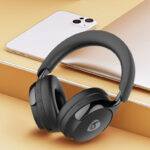
How Foldable Bluetooth Headphones Save Space Without Losing Sound
 by fuwuqi4@31tream.com
September 5, 2025
Comments Off on How Foldable Bluetooth Headphones Save Space Without Losing Sound
by fuwuqi4@31tream.com
September 5, 2025
Comments Off on How Foldable Bluetooth Headphones Save Space Without Losing Sound

Why UV400 Audio Sunglasses Are the Future of Outdoor Style and Sound
by fuwuqi4@31tream.com
September 5, 2025
Comments Off on Why UV400 Audio Sunglasses Are the Future of Outdoor Style and Sound

Do Compact Fold Headphones Provide Better Comfort for Long Listening Sessions?
by fuwuqi4@31tream.com
September 12, 2025
Comments Off on Do Compact Fold Headphones Provide Better Comfort for Long Listening Sessions?